

Understanding Hair Growth
Hair growth is a complex biological process that involves several stages, including anagen (growth phase), catagen (transitional phase), and telogen (resting phase). Understanding these stages is essential for maintaining healthy hair.
The anagen phase is the most critical stage for hair growth, lasting anywhere from two to seven years. During this phase, cells in the hair root rapidly divide, causing hair to grow approximately half an inch per month. Genetics largely determine the duration of the anagen phase, which explains why some individuals experience longer hair growth than others, and why treatments such as PRP for hair loss aim to stimulate follicles during this active growth period.
Factors such as age, diet, stress levels, and overall health can influence the hair growth cycle. Maintaining a healthy lifestyle helps support the anagen phase and promotes healthy hair growth. Understanding how these factors affect the hair cycle can empower individuals to take better care of their hair.
Common Causes of Hair Loss
Hair loss, or alopecia, is influenced by various factors. One of the most common causes is genetics, commonly referred to as androgenetic alopecia or pattern baldness. This hereditary condition affects both men and women, leading to thinning hair and eventual baldness.
Hormonal changes can also trigger hair loss. Conditions such as pregnancy, menopause, and thyroid imbalances can disrupt the normal hair cycle, resulting in increased shedding. Stress is another significant factor; high stress levels can push hair follicles into the telogen phase prematurely, causing temporary hair loss known as telogen effluvium.
Environmental factors, including pollution and harsh hair treatments, also contribute to hair loss. Exposure to toxins and chemicals can weaken the hair shaft and follicles, making them more prone to damage. Understanding these causes is essential for choosing appropriate treatment strategies, including the best hair PRP treatment to strengthen follicles and promote healthier hair growth.
Natural Remedies for Scalp Health
Natural remedies are widely used to promote scalp health and support hair growth. Essential oils such as rosemary, peppermint, and lavender are known to improve blood circulation and stimulate hair growth. These oils are typically diluted with carrier oils and gently massaged into the scalp for best results.
Herbal treatments like aloe vera and green tea offer soothing and anti-inflammatory benefits. Aloe vera helps balance the scalp’s pH levels and remove excess sebum, while green tea contains polyphenols that may promote hair growth by reducing inflammation.
Incorporating natural ingredients into your hair care routine can provide essential nutrients to the scalp and help maintain an environment conducive to hair growth. It is important to perform a patch test before applying any new product to avoid adverse reactions.
Medical Treatments for Hair Growth
Minoxidil and finasteride are two FDA-approved medications commonly used to promote hair growth in both men and women. Minoxidil is a topical treatment that improves blood flow to the scalp, while finasteride is an oral medication that works by inhibiting the hormone responsible for hair loss.
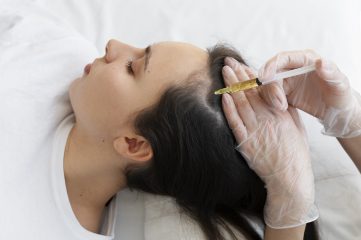
Platelet-rich plasma (PRP) therapy is another advanced treatment that has gained popularity. This procedure involves drawing a small amount of blood, concentrating the platelets, and injecting them into the scalp. The growth factors present in PRP help stimulate hair follicles and encourage new hair growth.
Consulting a healthcare professional is essential before starting any medical treatment for hair growth. A specialist can evaluate your condition and recommend the most appropriate treatment based on your individual needs and medical history.
The Role of Diet and Nutrition in Hair Health
Nutrients such as proteins, vitamins, and minerals play a critical role in the hair growth process. Proteins, in particular, are essential as hair is primarily composed of a protein called keratin.
Vitamins such as A, C, D, and E, along with biotin and folic acid, contribute to hair health. These vitamins support scalp circulation, strengthen hair strands, and prevent oxidative stress. Minerals like iron, zinc, and selenium are also vital, as deficiencies can lead to hair thinning and loss.
Incorporating a variety of nutrient-rich foods into your diet can enhance hair health. Foods such as eggs, nuts, leafy greens, and fatty fish are excellent sources of the nutrients needed to support hair growth. Consulting with a nutritionist can help tailor your diet to meet your specific hair care needs.
Topical Treatments: What Works?
Topical treatments are a popular choice for those seeking to improve scalp health and stimulate hair growth. These treatments can include medicated shampoos, conditioners, and serums that contain active ingredients like minoxidil, caffeine, and ketoconazole.
Medicated shampoos with ketoconazole are particularly effective for treating dandruff and seborrheic dermatitis, conditions that can hinder hair growth. Caffeine-infused products are believed to stimulate hair follicles by blocking the effects of DHT, a hormone linked to hair loss.
Selecting the right topical treatment involves understanding the specific needs of your scalp and hair. Consistency is key, as these products require regular application to achieve optimal results. Consulting with a dermatologist can assist in choosing the most effective products for your situation.
DIY Scalp Treatments for Healthy Hair Growth
Creating DIY scalp treatments at home can be an economical and natural way to enhance hair growth. Ingredients such as coconut oil, honey, and apple cider vinegar are commonly used for their nourishing properties.
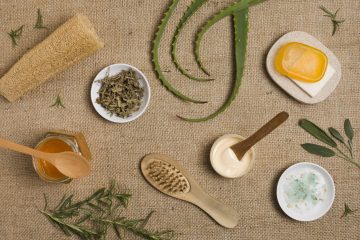
Coconut Oil Hair Mask:
- Ingredients: 2 tablespoons of coconut oil, 1 tablespoon of honey
- Instructions: Mix the ingredients and apply to your scalp and hair. Leave for 30 minutes, then rinse with warm water and shampoo as usual.
Apple Cider Vinegar Rinse:
- Ingredients: 2 tablespoons of apple cider vinegar, 1 cup of water
- Instructions: Combine the ingredients and use as a final rinse after shampooing to balance the scalp’s pH and enhance shine.
These treatments can provide your scalp with essential nutrients and are gentle enough for regular use. Experimenting with different ingredients can help you find the most effective combination for your hair type and needs.
Choosing the Right Treatment for Your Needs
Selecting the appropriate scalp treatment requires a thorough understanding of your hair type, scalp condition, and the underlying causes of any hair loss you may be experiencing.
Begin by identifying whether your hair loss is temporary or chronic, as this will influence the type of treatment you need. Consulting with professionals such as dermatologists or trichologists can provide valuable insights into the most effective treatments for your condition.
Additionally, consider your lifestyle and commitment level, as some treatments require consistent application and time. Balancing these factors will help you choose a solution that fits seamlessly into your routine and maximizes your chances of achieving healthy hair growth.
Conclusion
Navigating scalp treatments can be challenging, but understanding the basics of hair growth and treatment options can help you make informed decisions. Whether you opt for natural remedies, medical treatments, or DIY solutions, consistency and patience are key.
Remember, maintaining a healthy lifestyle, including proper diet and stress management, plays a significant role in supporting hair growth. Each treatment has its unique benefits, and combining different approaches might yield the best results for your specific needs.
Consult professionals when necessary and take proactive steps to nourish and care for your scalp. Your path to vibrant, healthy hair starts with understanding and addressing the unique needs of your scalp and hair.